How to Brief a Designer: The Complete Guide to Design Brief Templates
Xin Liu · Founder & Design Service Advisor
Xin helps business owners navigate the freelance design marketplace. He researches platforms, compares services, and publishes practical guides to help you make confident hiring decisions.

How to Brief a Designer: The Story That Made Me Rethink Everything
Most projects don’t fail because the designer lacked skill. They fail because the brief was thin. A short, vague email gets you a finished design with the wrong palette, the wrong date, and the wrong orientation, and then the revision round starts and costs real money. This guide is about writing the brief first, so the rest of the project stops fighting you.
A brief is the first deliverable you produce in any design project, and it sets the terms for everything that follows. Here’s what effective briefing looks like in practice:
The most expensive mistakes in the freelance design world start with a brief. A business owner hands over a short, vague email and later receives a finished design with the wrong color palette, the wrong event date, and the wrong orientation, then says “I thought we were on the same page.” It’s not an isolated incident. Briefs that skip the essentials cost businesses thousands of dollars in wasted revisions and missed opportunities, and it usually isn’t the designer’s skill at fault, it’s the brief. This is exactly why learning to brief a designer properly matters so much.
What Is a Design Brief (And Why Briefing Matters)?
A design brief is simply a document that tells your designer what you need, why you need it, and who it’s for. Sounds straightforward, right? But most people either skip it entirely or treat it like a casual email to their friend. Effective briefing starts with understanding this fundamental document. A good design brief template is the single most important tool for ensuring your project succeeds. And the seller you hand that brief to matters just as much, and our how to choose a Fiverr freelancer guide lays out the four metrics to vet a candidate before you commit.
Here’s why that approach fails:
Designers can’t read minds. Even the most talented designer in the world needs context. Without a clear design brief, they’re guessing. And when designers guess, you get designs that look fine but don’t actually solve your problem.
Vague briefs produce vague results. When you tell a designer “make it pop,” they have no idea what that means to you specifically. One person’s “pop” is another person’s “loud and garish.” A well-crafted design brief eliminates this ambiguity entirely.
Misalignment costs more than you think. Every revision cycle adds time and money. A well-written brief upfront prevents three to five rounds of unnecessary revisions later. The best way to brief is to be specific, structured, and honest about your constraints.
This foundational understanding connects directly to what constitutes a good design brief versus one that leads back to needing expensive redesign work, which ties into our discussion on the professional logo design process where structured methodology begins with precise briefing. Learning how to brief a designer is what separates a project that goes smoothly from one that spirals into endless revisions.
The Anatomy of a Great Design Brief: Step by Step
I’ll break it down into the sections that matter. No fluff. Every effective brief needs these:
1. Project Overview (Two Sentences Max)
Don’t write a novel. Write two clear sentences that explain:
- What are we designing?
- Why are we designing it?
Example: “We need a poster design for our annual tech conference happening June 15th at the Convention Center. The goal is to drive registrations from software developers in the Pacific Northwest region.”
Simple. Specific. Actionable. Compare that to: “We need a cool poster for our big event coming up soon.” Which one gives a designer more to work with? Exactly. Precise framing sets the stage for all subsequent creative decisions.
2. Target Audience (Be Specific)
“Everyone between 18 and 65” is not an audience. It’s a cop-out. The more specific you are, the better the design will be. Think about:
- Age range
- Professional background
- Interests and hobbies
- Where they hang out online and offline
- What motivates them to take action
For a poster promoting a jazz festival targeting millennials, you’d design very differently than for one targeting baby boomers. Same event type, completely different visual language. Audience specification is the first critical element of a strong design brief.
3. Key Message (The One Thing)
If your audience remembers only one thing from your poster, what should it be? This is harder than it sounds. Most clients want their poster to communicate ten different things. The result? Nothing communicates clearly because everything competes for attention. Pick one primary message. Everything else supports it. For example:
- Event poster: “Register now for the biggest design conference of the year”
- Product launch: “Introducing the fastest way to redesign your brand”
- Sale announcement: “50% off all logo design packages this week”
One message. Clear. Unmistakable. This focus is what separates an effective brief from a vague one.
4. Practical Requirements
This is where people usually fall short, and it’s also the easiest part to get right. Be specific about:
- Dimensions: Exact size needed (e.g., 24x36 inches, A3, Instagram post)
- Orientation: Portrait, landscape, or square
- Quantity: How many variations do you need?
- Timeline: When do you need final files?
- Usage: Where will this be displayed? (Print, digital, both?)
- File formats: Do you need print-ready PDFs, web-optimized PNGs, source files?
These details seem obvious, but many projects stall for exactly this reason: nobody specified whether the file needed to be print-ready or just for social media. File format requirements directly impact whether your designer can deliver the technical specifications needed for various applications.
5. Visual Preferences (Show, Don’t Tell)
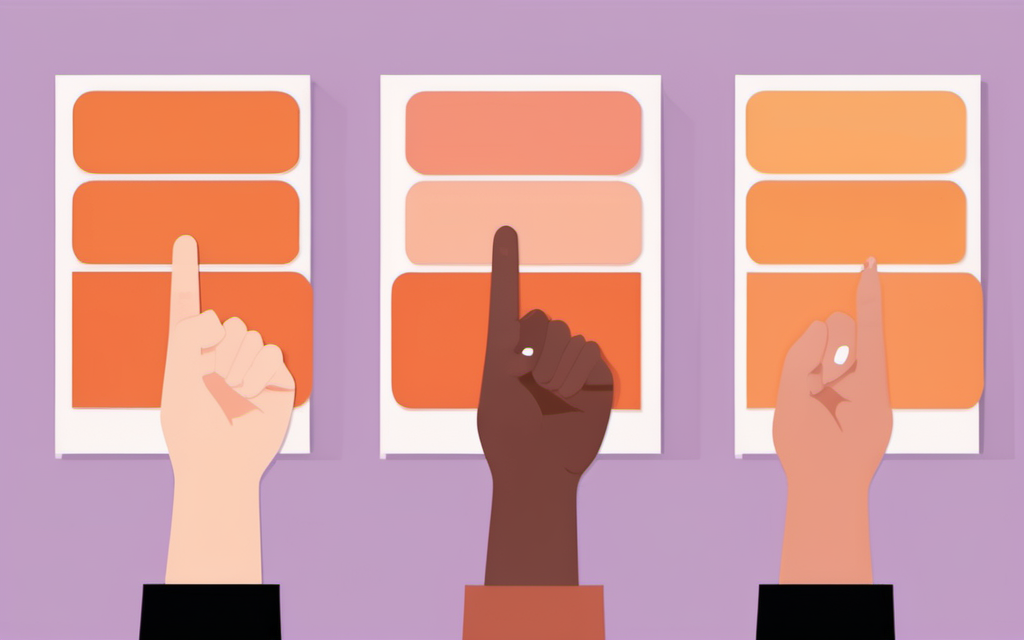
Instead of describing colors and styles in words, show examples. Collect 3-5 posters or designs you admire and share them with your designer. For each example, note:
- What specifically do you like about it?
- Is it the typography? The color scheme? The layout? The photography style?
This is infinitely more useful than saying “I want something modern and clean.” Modern means different things to different people. Clean could mean minimal whitespace or it could mean lots of white space with simple elements. Examples remove the ambiguity. Concrete visual references bridge the gap between your mental model and the designer’s execution.
6. Budget and Constraints
Be honest about your budget range. Not every number, just enough context so the designer knows what level of service to offer. Also mention any constraints:
- Must include specific branding elements
- Cannot use certain colors
- Must comply with specific guidelines
- Has approval requirements from multiple stakeholders
Knowing constraints upfront saves everyone time. A designer who knows they’re working within strict brand guidelines will approach the project differently than one with complete creative freedom. Budget transparency sets appropriate expectations from the start and influences the quality of output accordingly.
Real Examples: Bad Brief vs. Good Brief
Let me show you what I mean with a side-by-side comparison.
❌ Bad Brief
“Hey, can you design a poster for our company retreat? We need something fun and colorful. The event is sometime next month. Let me know your rate!”
What’s wrong with this?
- No specific dimensions or format
- “Fun and colorful” means nothing
- “Sometime next month”. When exactly?
- No target audience mentioned
- No key message
- No examples provided
- No usage context
This vague approach guarantees confusion and wasted effort from day one.
✅ Good Brief
“We need a 24x36 inch portrait poster for our annual company retreat on August 12-14 at Mountain View Resort. Target audience is our 150 employees, ages 25-45. The main message is ‘Team Building & Innovation Retreat’ with the dates and location as secondary information. We want it to feel energetic and professional, not corporate boring, but not chaotic either. Attached are three examples of posters we like (see links). Budget is $300-500. Need final files by July 25th for print delivery.”
See the difference? The second brief gives the designer everything needed to start working immediately. No back-and-forth clarification emails. No guesswork. Just execution. This level of detail matches the strategic depth found in structured design methodologies where thorough preparation yields superior outcomes.
Common Mistakes When Learning to Brief a Designer
Several recurring errors undermine even well-intentioned clients. Awareness prevents pitfalls:
Writing Too Little
I get it. Writing feels like extra work when you just want to get started. But a rushed brief guarantees a rushed result. Take the time to be thorough upfront. It saves hours of revision cycles later. Comprehensive documentation represents investment rather than overhead.
Writing Too Much
On the flip side, some clients write 10-page briefs that cover every possible scenario. This paralyzes designers. They spend more time parsing your requirements than creating. Keep it focused on what matters. Quality trumps quantity in every aspect of effective communication.
Changing the Brief Mid-Project
Once you’ve agreed on a brief with your designer, stick to it. If new requirements emerge, discuss them openly and agree on scope adjustments. Sneaking in changes after work has begun is the fastest way to damage a working relationship. Scope creep destroys timelines and budgets simultaneously.
Treating the Brief as One-Way Communication
A great brief is a conversation starter, not a commandment. Encourage your designer to ask questions, challenge assumptions, and suggest alternatives. Some of the best design outcomes come from designers pushing back on initial ideas and offering better approaches. Collaboration creates value beyond mere transactional exchange.
When to DIY vs. Hire Help for Your Brief
Writing a solid brief doesn’t require design expertise. If you can answer the six sections above clearly, you’re good to go. However, if you’re struggling to articulate your vision or don’t know where to start, consider hiring a designer for a consultation first. Many offer brief-writing services or strategy sessions that help clarify your thinking before the actual design work begins. This investment often pays for itself by preventing costly miscommunications through expert guidance.
Consider also exploring our poster design tips guide for complementary perspectives on effective visual communication frameworks that strengthen overall briefing effectiveness. And when you need to understand what quality design investment looks like across different price points, our logo design cost guide and poster design cost guide break down what to expect at each tier.
The Design Brief Template You Can Use Right Now
Here’s a simple template you can copy and fill out for your next design project. This is the most practical part of effective briefing:
PROJECT OVERVIEW:
[What are we designing? Why?]

TARGET AUDIENCE:
[Who are we talking to? Be specific.]

KEY MESSAGE:
[What's the ONE thing people should remember?]

PRACTICAL REQUIREMENTS:
- Dimensions:
- Orientation:
- Quantity:
- Timeline:
- Usage:
- File formats:

VISUAL PREFERENCES:
[Attach 3-5 examples + notes on what you like]

BUDGET RANGE:
[$X - $Y]

CONSTRAINTS:
[Any brand guidelines, required elements, restrictions]

ADDITIONAL NOTES:
[Any other relevant context]
Fill this out before reaching out to any designer and watch how much smoother the entire process becomes. Proper documentation transforms abstract desires into actionable specifications that yield predictable results consistently.
Bottom Line: Why Learning to Brief a Designer Is Worth It
A great design brief isn’t about being perfect. It’s about being clear. You don’t need to be a design expert to write an effective brief. You just need to be honest about what you want, why you want it, and who it’s for. The time you invest in writing a thoughtful brief is time saved in revisions, fewer misunderstandings, and a final product that actually works for your business.
And if you’re still unsure about how to structure your brief or what details matter most, connecting with experienced designers who can guide you through the process is a smart move. They’ve seen hundreds of projects and know exactly what information leads to great results. Mastering how to brief a designer will save you time and money on every project while producing higher-quality outcomes across all future creative engagements.
This article contains affiliate links; we may earn a commission at no extra cost to you. Full disclosure.
Need a designer who understands how to translate your vision into stunning visuals? Browse professional poster designers on Fiverr who specialize in turning briefs into beautiful, effective designs.
Related Resources
Logo Design Cluster:
- How Much Does Logo Design Cost — Budget planning
- What Makes a Good Logo — Know what to ask for
- Common Logo Design Mistakes — What to avoid
- Professional Logo Design Process — What happens after briefing
Poster Design Cluster:
- Poster Design Tips Guide — Briefing principles for posters
- Event Poster Design Guide — Event-specific briefs
Services:
- Logo Design on Fiverr — Vetted designers, transparent pricing
- Poster Design on Fiverr — Event, promo & brand posters
This article contains affiliate links. We may earn a commission at no extra cost to you.
Get It Designed
Poster Design
Event posters, promotional materials, brand campaigns — get stunning poster designs from experienced freelance designers. Real 2026 pricing from 11 tracked Fiverr gigs, deliverable differences by tier, and what to check before you order.
Find Poster Designers on Fiverr*Affiliate links — we may earn a commission